

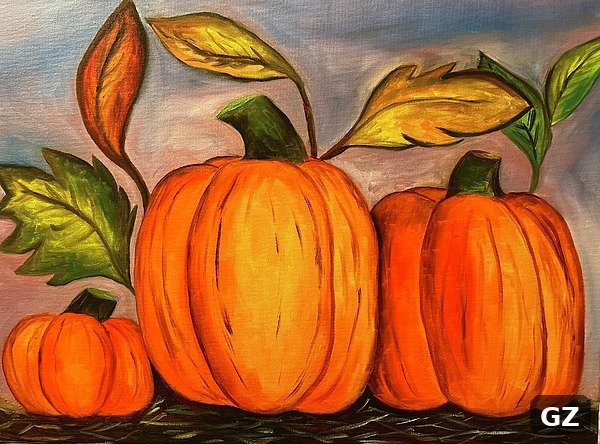
Ask a roomful of painters which season they love most and fall wins by a landslide. No other time of year hands you a palette this generous: burnt orange, crimson, gold, deep plum, and that particular smoky blue of an October sky. The best part is that autumn is also the most forgiving subject a beginner can pick, because fall colors practically do the work for you.
You do not need lessons, expensive supplies, or any drawing ability to make a fall painting worth hanging. A basic set of acrylics, a couple of brushes, and a canvas or even a sheet of thick paper are enough to start. Fall scenes are built from simple shapes, loose brushwork, and bold color, which means your first attempt can genuinely look good instead of just looking like practice.
These 25 fall painting ideas are organized from classic to adventurous, and each one comes with the actual technique that makes it work: which colors to mix, which brush to reach for, and how long it takes. Work through them in order to build skills, or jump straight to the one calling your name. Either way, you will finish with art you are proud of and a much better feel for your brushes.
Classic Fall Favorites
1. The classic round pumpkin. Start with the icon of autumn itself. Paint a large orange oval, then add curved rib lines in a darker orange or burnt umber following the pumpkin’s curve, and finish with a cream-colored highlight on one side for roundness. A short brown stem and a simple green vine complete it. This one teaches shading basics and takes about an hour.
2. White pumpkins on a dark background. Paint your canvas a deep charcoal or navy first and let it dry completely, then paint creamy white and pale gray pumpkins on top. The contrast makes the pumpkins glow like lanterns and hides every beginner wobble in the dark background. Add a few fallen leaves in muted gold at the base for a sophisticated, modern look.
3. Pumpkin patch at sunset. Divide the canvas with a horizon line about a third of the way up. Blend a sunset gradient above it, from golden yellow at the horizon to deep orange and dusty purple at the top. Below the line, paint a dark green-brown field and dot it with simple round pumpkins that get smaller toward the horizon for instant depth. About ninety minutes, and it looks far harder than it is.
4. Stacked pumpkin topiary. Paint three pumpkins stacked largest to smallest like a snowman, varying the colors: classic orange on the bottom, pale green-gray in the middle, white on top. Add stems, a few curling vines, and a simple pot or crate beneath. The stacked composition fills a tall canvas beautifully and teaches you to repeat a shape with variation.
5. Pumpkin with sunflowers. Place one big pumpkin slightly off-center and cluster golden sunflowers behind and beside it. Sunflowers are beginner-friendly: a brown center circle, then yellow petals made with single brush strokes radiating outward. The yellow-against-orange color harmony is pure autumn, and the whole piece glows on a wall.
Trees, Leaves, and Forest Scenes
6. Single autumn leaf close-up. Paint one large maple or oak leaf filling most of the canvas, using a real leaf or a printed outline as your guide. Fill it with blended reds and oranges, then use a small liner brush to paint the vein structure in dark brown. Close-ups like this teach brush control, and the detail work is wonderfully calming.
7. Leaves swirling in the wind. Paint a soft blue-gray sky background, then flick and dab small leaf shapes across it in reds, oranges, and yellows, angling them as if caught mid-gust. Use the corner of a flat brush and quick wrist motions rather than careful strokes. The energy of this piece comes from looseness, so it is perfect for painters who overthink.
8. Birch trees with a fall canopy. This beloved beginner technique uses painter’s tape: stick vertical tape strips on the canvas, paint a loose autumn forest over everything in warm colors, then peel the tape to reveal crisp white birch trunks. Add thin black horizontal marks on the trunks for bark. The reveal moment never gets old, and the result looks professional.
9. Bare tree silhouette against an autumn sunset. Blend a dramatic sunset sky first, from yellow through orange to deep red. Once dry, paint a dark brown or black tree with a fan brush, starting with the trunk and flicking outward for branches. Silhouettes are forgiving because there is no detail to get wrong, only a striking shape to get right.
10. Forest path with dappled light. Paint a winding path in warm tan leading into the distance, flanked by dark tree trunks. Then dab sunlight spots onto the path and foliage with a dry sponge or scrunched paper towel dipped in pale yellow. This stippling technique creates the magical feeling of light filtering through leaves, and it takes minutes to learn.
11. Leaf-print border pattern. Press a real autumn leaf into paint and stamp it repeatedly around the edge of your canvas to make a decorative border, then paint a simple fall phrase or small scene in the center. It bridges crafting and painting, looks fantastic on wood plaques and signs, and gives you a finished piece of fall decor in under an hour.
Fall Landscapes and Skies
12. Harvest moon over a field. Paint the sky a deep blue-purple, then add a large pale moon with a soft glowing ring blended around it. Below, paint a dark field with a few fence posts or hay bales as black silhouettes. The huge moon does all the dramatic work here, and the painting practically glows in a dim hallway.
13. Mountain lake reflection. Paint the top half as autumn mountains and sky, then mirror the same colors upside down in the bottom half for the water, softening them with horizontal strokes. Add a thin light line at the horizon where they meet. Reflections are easier than they look because the water half is just a blurrier copy of the sky half.
14. Rolling hills at golden hour. Layer three or four overlapping hill shapes from back to front, making each layer darker and warmer as it comes forward: pale gold at the back, burnt orange in the middle, deep rust in front. The simple layering creates real depth with zero perspective drawing, and the warm gradient feels like late-afternoon light.
15. Misty morning forest. Paint your forest scene slightly darker than you want it, let it dry, then glaze thin, watered-down white paint over the distant trees in horizontal bands. Each glaze layer pushes the background further away and creates genuine atmospheric mist. This glazing trick is one of the most useful techniques any painter can learn.
16. Starry autumn night sky. Wash the canvas in dark navy and deep purple, blending in a band of the Milky Way with slightly lighter blue. Once dry, dip an old toothbrush in white paint and flick it with your thumb to splatter fine stars across the sky. Add a crescent moon and a dark treeline silhouette at the bottom for a complete night scene.
Fall Wildlife
17. Red fox among autumn leaves. A fox is simpler than it looks: start with a burnt-orange body made of soft oval shapes, add white on the chest and tail tip, and finish with dark ears and a black nose. Nestle it among painted leaves in matching oranges and reds so its coat blends into the season. Wildlife painters love foxes because the color does half the work.
18. Owl on a branch at dusk. Paint a dusky purple-orange sky, then a horizontal branch in dark brown across the lower third. The owl is two stacked ovals: a round body and a slightly wider head, with big circular eyes and small ear tufts. Owls are wonderfully forgiving subjects since their charm is in their roundness, not their precision.
19. Deer in the morning mist. Paint a soft, pale background of misty grays and warm beige, then add the deer as a simple dark silhouette: body, neck, head, and antlers in one confident shape. Silhouette wildlife against mist is a classic composition because it suggests a whole story in a single shape, and it takes under an hour.
20. Squirrel with acorns. Build the squirrel from basic shapes: a teardrop body in warm brown, a big curved tail, round ears, and tiny paws clutching an acorn. Scatter a few painted acorns and oak leaves around it. Cute subjects like this are ideal for practicing fur texture with short, layered brush strokes.
Cozy and Spooky Autumn Scenes
21. Cabin with glowing windows. Paint a small wooden cabin in dark browns against a cool blue-purple dusk forest, then fill the windows with warm golden yellow. The contrast between the cold evening and the warm light tells an instant story of coziness. Add a wisp of gray smoke from the chimney and a few glowing dots as fireflies.
22. Scarecrow in a cornfield. A scarecrow is pure folk-art charm: a plaid shirt made of simple crossed lines, a burlap-sack head with a stitched smile, and a straw hat. Stand it in a field of golden corn stalks painted as vertical strokes with tassel tops. Imperfection is the whole aesthetic here, so paint freely.
23. Friendly haunted house silhouette. For a Halloween-adjacent piece, paint a dusky orange sky with a big moon, then add a haunted house as a black silhouette: crooked roof, tall chimneys, a few glowing yellow windows, and bare twisted trees beside it. A couple of bat shapes (simple curved “m” strokes) finish the scene. Spooky but cheerful, not scary.
24. Steaming mug of cocoa still life. Paint a big cozy mug in deep red or forest green, fill the top with creamy cocoa color, and add rising steam with thin, wavy white-gray strokes. Surround it with a few fall leaves, cinnamon sticks, and a soft knitted-blanket texture in the background. Still lifes teach you to paint what you see, and this one smells like November.
25. Apple harvest basket. Paint a simple woven basket in browns, using horizontal strokes with darker lines for the weave, then heap it with shiny red and green apples. Add a white highlight dot on each apple for gloss and a few leaves tucked between them. It is a satisfying final project that pulls together shapes, shading, and highlights in one piece.
Beginner Tips for Better Fall Paintings
Work from back to front and dark to light. Paint the sky and background first, let it dry, then add middle-ground shapes, and save the brightest highlights and smallest details for last. Acrylics dry fast, which is a gift: you can layer a whole painting in one sitting without the muddy mixing that frustrates beginners. Keep a spray bottle handy to mist your palette and keep paints workable.
You need fewer colors than you think. Burnt orange, cadmium red, yellow ochre, ultramarine blue, burnt umber, and titanium white will mix nearly every autumn shade, and limiting your palette makes your paintings look more harmonious, not less. Photograph your finished pieces in daylight, and once a painting is fully dry, a coat of clear acrylic varnish will make the colors pop. For more creative inspiration throughout the seasons, browse the latest features on the Gazette Magazine homepage.
What paint is best for beginners doing fall paintings?
Acrylics are the clear winner for beginners. They are inexpensive, dry quickly so you can layer the same day, clean up with water, and work on canvas, paper, or wood. Student-grade tube sets are perfectly fine for learning, and you can upgrade to artist-grade paints later once you know which colors you reach for most.
What colors do I need for fall painting?
A basic autumn palette is burnt orange, cadmium red, yellow ochre, ultramarine blue, burnt umber, and titanium white. From these six you can mix rust, gold, crimson, olive, and smoky sky tones. Add dioxazine purple or Payne’s gray later if you want richer dusk skies and shadows.
How long does an easy fall painting take?
Most of the ideas on this list take one to two hours, including drying time between layers. Simple subjects like a single pumpkin or a leaf close-up can be done in under an hour, while landscapes with glazing or reflections may stretch to two or three relaxed sessions. There is no prize for finishing fast.
Can I paint fall scenes with watercolors instead of acrylics?
Yes, and autumn suits watercolors beautifully. Work light to dark instead of dark to light, let washes dry fully between layers, and lean into the medium’s softness for misty forests and glowing skies. The techniques differ, but every composition idea here translates to watercolor with a little adjustment.
How do I make my fall paintings look less flat?
Depth comes from three things: overlapping shapes, a clear light source with highlights and shadows, and cooler, lighter colors in the distance with warmer, darker colors up front. Even adding a single highlight and a single shadow to each object will transform a flat painting into one with dimension.
Bottom Line
The secret of fall painting is that autumn wants to be painted. The colors are bold enough to carry a beginner’s brushwork, the subjects are simple shapes dressed in spectacular light, and every mistake just looks like another leaf on the ground. Pick the idea that caught your eye, squeeze out those six colors, and start. By the time the real leaves finish falling, your walls will be full of your own.
