

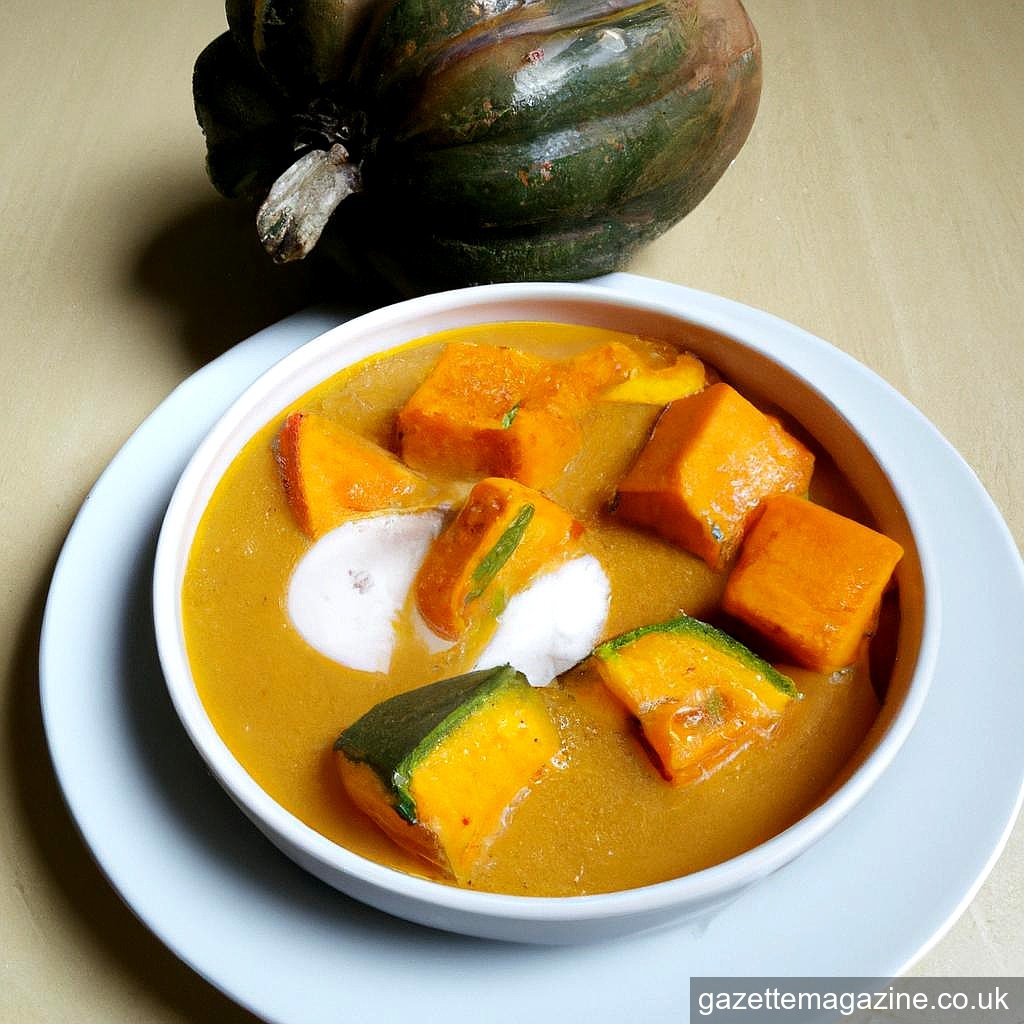
Why Locro de Zapallo Deserves a Spot on Your Food Radar
Locro de zapallo is more than a pumpkin stew; it’s a cultural emblem that blends Andean heritage with comforting home cooking. The dish balances creamy squash, hearty corn, and a subtle spice profile that can warm any palate. When you search for the best locro de zapallo near me, you’re chasing that authentic, soul‑satisfying experience.
Modern diners often overlook the ritual behind a perfect bowl: slow‑cooked vegetables, a well‑seasoned broth, and a garnish of fresh herbs. These elements create a texture that is both velvety and rustic, inviting you to savor each spoonful. Understanding what makes the stew special helps you recognize quality the moment you taste it.
Beyond taste, locro de zapallo carries social meaning, often served at family gatherings and community festivals. Its comforting aroma can instantly transport you to a bustling market in Quito or a quiet kitchen in the Andes. This emotional connection is why food lovers prioritize finding the genuine version close to home.
What Makes a Great Locro de Zapallo?
Key Ingredients That Define Authenticity
At the heart of any great locro de zapallo lies fresh, locally sourced pumpkin or squash. The flesh should be sweet yet earthy, providing the base for a thick, velvety broth. Complementary ingredients like hominy, potatoes, and a hint of cheese add body and depth.
High‑quality stock is the secret weapon; many chefs use chicken broth or meat stock for depth, while vegetarian versions may rely on vegetable stock enriched with aromatics. The choice of broth influences the final flavor, so ask if the restaurant uses meat stock when you call ahead.
Spices such as cumin, paprika, and a pinch of oregano give the stew its signature warmth without overpowering the natural sweetness of the squash. Fresh cilantro or parsley added at the end brightens the dish, creating a balanced finish that keeps you reaching for another bite.
Texture and Consistency: The Fine Line Between Soup and Stew
A perfect locro de zapallo walks the line between thick soup and hearty stew, offering a spoon‑coating consistency that clings to each vegetable piece. Over‑blending can erase the rustic chunks, while under‑cooking leaves the pumpkin grainy.
Chefs achieve the ideal texture by simmering the squash just long enough to soften, then gently mashing part of it into the broth. This technique creates a natural thickening agent without resorting to flour or cornstarch, preserving the dish’s authentic mouthfeel.
When you find the best locro de zapallo near me, you’ll notice a harmonious blend of smooth puree and tender vegetable bites—a hallmark of careful preparation and respect for tradition.
How to Spot the Best Locro de Zapallo Near Me
Start by checking online reviews that mention “real texture” or “balanced flavor.” Enthusiastic diners often highlight the dish’s creamy consistency and fresh ingredients, which are reliable indicators of quality. Look for establishments that emphasize locally sourced produce and traditional cooking methods.
Call the restaurant ahead of time and ask about the broth base. As noted by culinary guides, many places use meat stock even for vegetarian versions, which can affect both taste and dietary suitability. A transparent kitchen will gladly share this detail.
Observe the presentation: a well‑served bowl should showcase a bright orange hue, a sprinkle of fresh herbs, and perhaps a drizzle of crema or cheese. These visual cues signal that the chef has paid attention to both flavor and aesthetics.
Finally, trust your instincts when the server describes the dish. Phrases like “slow‑cooked for hours” or “hand‑mashed pumpkin” suggest a dedication to authenticity that aligns with the search for the best locro de zapallo near me.
Top Cities and Neighborhoods to Search
Major metropolitan areas with vibrant Latin American communities often host the most authentic locro de zapallo spots. In London, neighborhoods such as South Kensington and Camden boast Peruvian and Ecuadorian eateries that stay true to their roots.
In the United States, cities like Miami, Los Angeles, and New York have districts—Little Peru, Boyle Heights, and Jackson Heights—where the stew is a staple on the menu. These enclaves benefit from immigrant chefs who bring family recipes directly from the Andes.
European capitals like Madrid and Barcelona also feature dedicated Latin American restaurants, many of which source ingredients from local markets to maintain freshness. When traveling, a quick search for “locro de zapallo” combined with the city name usually yields promising results.
Even smaller towns with a strong South American presence can surprise you. Community festivals and pop‑up food markets often showcase home‑cooked locro, offering a chance to taste the dish in its most unpretentious form.
Restaurant Recommendations Worth Trying
Below is a curated list of establishments consistently praised for their locro de zapallo. Each venue has earned a reputation for using fresh squash, authentic broth, and thoughtful seasoning.
- Pachamama Kitchen – Located in South Kensington, this restaurant offers a velvety pumpkin stew with a hint of smoked paprika, served alongside fresh cilantro.
- Andes Flavors – A hidden gem in Camden, known for its meat‑stock‑based broth that adds depth without overwhelming the natural sweetness.
- Casa del Sol – In Manchester’s Chinatown, they serve a vegetarian version that still delivers richness through a vegetable stock enriched with garlic and onion.
- La Cosecha – Situated in Birmingham’s Digbeth district, the locro here is paired with a side of fresh avocado, creating a delightful contrast of textures.
When you call ahead, ask whether the stew contains meat stock or chicken broth; this simple question can help you align the dish with your dietary preferences. Remember, the best locro de zapallo near me often comes from kitchens that respect tradition while accommodating modern tastes.
For a deeper dive into the elements that make a bowl stand out, consult this real texture guide that outlines the essential characteristics of a top‑tier locro.
Ordering Takeaway and Storing Leftovers
Takeaway locro de zapallo retains its flavor when stored correctly. Transfer the stew to an airtight container and refrigerate within two hours of receiving it to prevent bacterial growth.
For optimal freshness, enjoy leftovers within three to four days. Reheat gently on the stovetop, adding a splash of broth or water if the mixture has thickened too much during cooling.
When reheating, stir frequently to restore the creamy consistency without scorching the bottom. Proper storage ensures that the best locro de zapallo near me experience can be savored long after the initial bowl.
Frequently Asked Questions
Can I find a completely vegetarian locro de zapallo?
Yes, many restaurants offer a vegetarian version that swaps meat stock for a rich vegetable broth. However, it’s wise to confirm the base when you call, as some “vegetarian” menus still use chicken broth for flavor.
Is locro de zapallo spicy?
The traditional recipe is mildly spiced, with cumin and paprika providing warmth rather than heat. If you prefer extra kick, most eateries will gladly add a dash of chili flakes upon request.
What side dishes complement locro de zapallo?
Typical accompaniments include fresh corn tortillas, a slice of crusty bread, or a simple avocado salad. These sides balance the stew’s richness and add textural variety to the meal.
Final Thoughts on Your Search
Finding the best locro de zapallo near me is a rewarding culinary adventure that combines research, conversation, and a willingness to explore diverse neighborhoods. By focusing on fresh ingredients, authentic broth, and proper texture, you’ll quickly differentiate a standout bowl from a mediocre one.
Don’t forget to enjoy the cultural story behind each spoonful; the stew’s roots run deep, and every restaurant adds its own subtle twist. Whether you dine in a bustling city hub or a quiet local café, the perfect locro de zapallo awaits.
Ready for another South American delight? Check out our guide to the empanada recommendation for a complementary snack that pairs beautifully with a hearty bowl of locro.
