

Why You’re Searching for the Best Medialuna Dulce Near Me
If you’ve ever wandered past a bakery window and smelled buttery sweetness, you know the pull of a perfect medialuna dulce. This Argentine crescent‑shaped treat blends flaky layers with a subtle caramel glaze, making it a breakfast staple and an afternoon indulgence. Finding the best medialuna dulce near me can turn a simple coffee break into a cultural experience.
In 2026, the surge of Latin‑American bakeries across the UK has made the hunt both exciting and overwhelming. While many shops claim authenticity, only a few truly master the delicate balance of dough, butter, and sugar. This guide cuts through the noise, offering clear criteria and real‑world locations to help you locate that ideal pastry.
Beyond taste, the quest for the best medialuna dulce near me connects you to a tradition that dates back to early 20th‑century Buenos Aires. Each bite tells a story of immigrant bakers, family recipes, and the evolution of Argentine street food. Let’s explore how to taste history in today’s neighborhoods.
Understanding Medialuna Dulce: History, Ingredients, and Texture
Medialuna dulce, literally “sweet half‑moon,” originated in Argentina as a softer, sweeter cousin to the French croissant. Early bakers adapted French techniques, adding more sugar and a thinner glaze to suit local palates. Over decades, the pastry became synonymous with weekend brunches and “mate” gatherings.
The core ingredients are simple yet precise: high‑gluten flour, unsalted butter, fresh yeast, milk, and a light sugar‑honey coating. The dough is folded multiple times to create airy layers, then shaped into a crescent and brushed with a sweet glaze before baking. The result is a crisp exterior that yields to a tender, slightly sweet crumb.
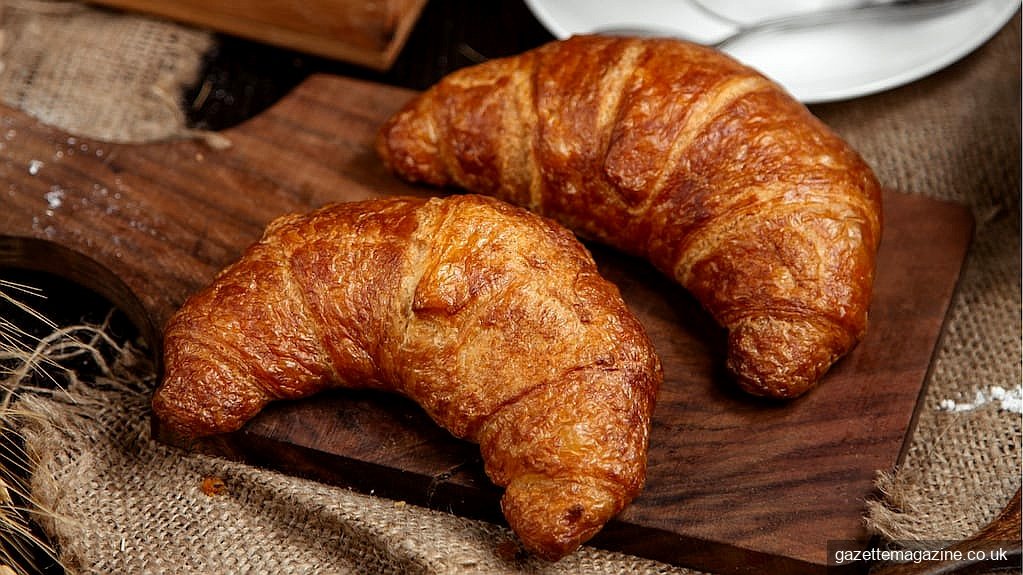
Texture is the hallmark of quality. A genuine medialuna dulce should have a golden, crackly crust that shatters gently, revealing a buttery, melt‑in‑your‑mouth interior. If the pastry feels dense or the glaze is overly sugary, it likely strays from the authentic profile.
How to Spot Authentic Medialuna Dulce
First, observe the glaze. Authentic medialuna dulce features a thin, caramel‑like sheen, not a thick sugary coating. This subtle glaze adds a hint of sweetness without overpowering the buttery layers.
Second, check the shape. Traditional crescents have a smooth, even curve and a slightly pointed tip, resembling a half‑moon rather than a perfect circle. Irregular or overly rounded shapes may indicate a rushed production.
Third, listen for the sound. When you tap the crust lightly, a fresh medialuna should emit a faint “snap,” signaling a well‑baked, flaky structure. A dull thud often means the pastry has been sitting too long or was under‑baked.
Top Places to Find the Best Medialuna Dulce Near Me
Across the UK, several bakeries stand out for their dedication to Argentine techniques and fresh‑daily production. Below are the most reliable spots where you can taste the real deal.
- Buenos Panadería – London: Known for its nightly dough preparation, this shop offers a buttery glaze that perfectly balances sweetness.
- La Casa del Mate – Manchester: Their medialunas arrive straight from the oven, with a crisp edge and a soft, honeyed center.
- El Rincón Argentino – Birmingham: A family‑run bakery that still uses a hand‑rolled method, delivering an authentic texture every time.
- Patagonia Breads – Glasgow: Offers a modern twist with whole‑grain flour, yet retains the classic caramel glaze.
- Southern Flavours – Liverpool: Their secret lies in a slow fermentation process, creating deeper flavor notes.
All these locations prioritize fresh‑daily batches, ensuring you never settle for a stale product. When you search for the best medialuna dulce near me, start with these bakeries and compare the subtle differences in glaze, crumb, and aroma.
For a deeper dive into the criteria that separate good from great, explore the guide on authentic Argentine bakeries that outlines the exact standards used by pastry experts.
Medialuna Dulce vs. Croissant: Key Differences
While both pastries share a laminated dough technique, their flavor profiles diverge sharply. Croissants emphasize a buttery, slightly salty taste with a puffier rise, whereas medialuna dulce leans toward a sweeter, caramel‑infused finish.
In terms of shape, croissants are typically more elongated and have a pronounced “horn” at each end. Medialuna dulce, by contrast, maintains a gentle, half‑moon curve that is both elegant and functional for a quick bite.
Another distinction lies in the glaze. Croissants are often left plain or dusted with powdered sugar, while medialuna dulce receives a thin sugar‑honey coating that adds a glossy, caramelized layer. This glaze not only enhances sweetness but also protects the delicate layers from drying out.
Tips for Enjoying Your Medialuna Dulce
Pair it with a hot cup of mate or a strong espresso to balance the sweetness. The bitterness of the drink highlights the pastry’s caramel notes, creating a harmonious flavor dance.
Warm the medialuna gently for 30 seconds in a microwave or a low oven before serving. This revives the flaky crust and releases the aromatic butter, making each bite as fresh as the moment it left the oven.
For a gourmet twist, spread a thin layer of dulce de leche or a slice of fresh cheese on top. The combination of creamy sweetness and salty cheese elevates the traditional experience without masking the pastry’s inherent qualities.
Making Medialunas at Home: A Step‑by‑Step Overview
While professional ovens and mixers make a difference, home bakers can still achieve impressive results with patience and the right technique. Begin by mixing flour, yeast, milk, and a pinch of salt, then let the dough rest for 30 minutes.
Next, incorporate softened butter through a series of folds, creating layers that mimic the bakery’s lamination process. After a second rest, roll the dough into a thin sheet, cut triangles, and roll them into crescents.
Brush each medialuna with a mixture of melted butter, sugar, and a splash of honey before baking at 200°C for 12‑15 minutes. The glaze will caramelize, giving you that signature shine and sweet aroma.
For more detailed recipes and troubleshooting tips, check out the guide on traditional facturas that offers insights into Argentine pastry making. Traditional facturas share many techniques that apply directly to medialunas.
Frequently Asked Questions About Medialuna Dulce
Can I freeze medialunas? Yes—wrap them tightly in foil and place them in a freezer bag. Thaw at room temperature and warm briefly before serving to restore the flaky texture.
Are they gluten‑free? Traditional medialuna dulce relies on wheat flour for its structure, so gluten‑free versions require alternative flours and may alter the classic crumb.
What’s the ideal shelf life? When stored in an airtight container, fresh medialunas stay soft for up to two days. After that, the crust may lose its crispness, though reheating can revive it.
How do I know if a bakery uses real butter? Look for a buttery aroma and a glossy, not greasy, glaze. Real butter yields a richer flavor and a more delicate crumb compared to margarine substitutes.
Conclusion: Your Path to the Best Medialuna Dulce Near Me
Finding the best medialuna dulce near me is about more than a quick search; it’s a journey through flavor, tradition, and craftsmanship. By focusing on glaze quality, dough texture, and bakery reputation, you can confidently choose a pastry that honors its Argentine roots.
Visit the recommended bakeries, compare the subtle nuances, and don’t hesitate to experiment at home using the proven techniques outlined above. Each bite will bring you closer to the authentic experience that has delighted generations of pastry lovers.
Remember, the search for the perfect medialuna dulce is ongoing, but with the right knowledge and a willingness to explore, you’ll always have a delicious, buttery crescent waiting just around the corner.
