

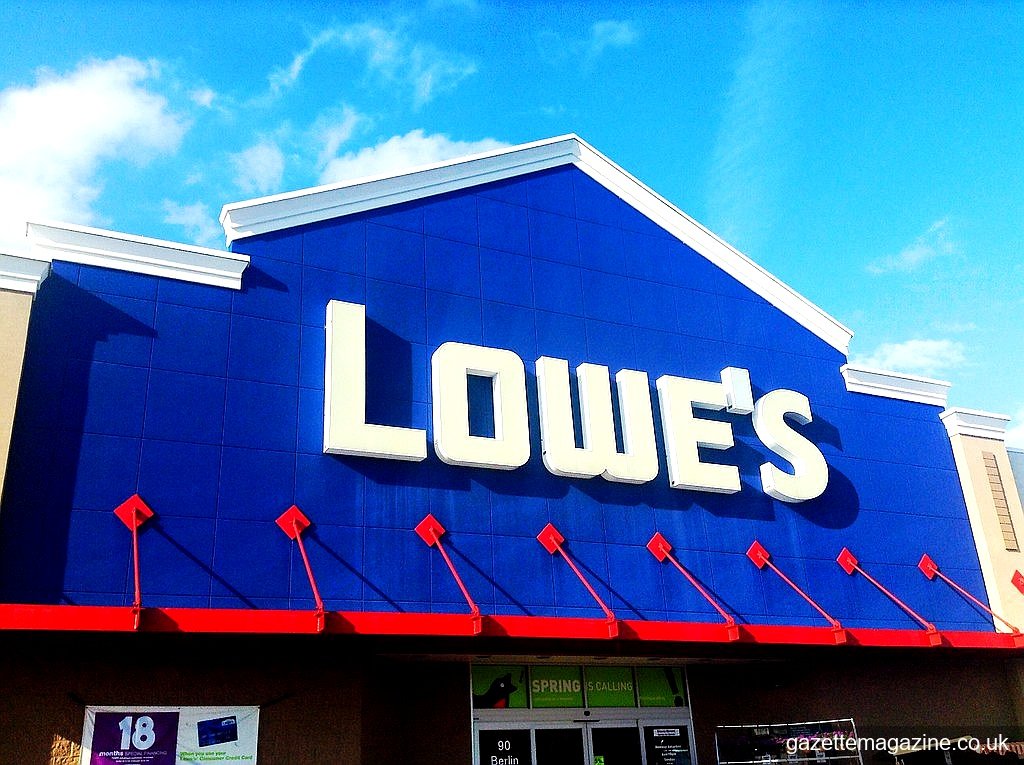
Introduction to lowes com
When homeowners think of a one‑stop shop for tools, décor, and renovation supplies, lowes com instantly comes to mind. The platform blends brick‑and‑mortar expertise with a robust online presence, making it easy to browse, compare, and purchase from anywhere. Whether you’re a seasoned contractor or a weekend DIY enthusiast, the site offers tailored solutions that fit every budget and skill level.
Beyond product listings, lowes com provides instructional videos, how‑to guides, and a vibrant community of makers. This digital ecosystem reflects the company’s broader mission to turn houses into homes, a promise that dates back to its early days in North Carolina. The result is a seamless experience that bridges physical stores and virtual aisles.
In this guide, we’ll explore the history, scale, and strategic initiatives that make lowes com a leader in the home‑improvement space. Expect deep dives into store footprints, product categories, and the technology powering the online storefront.
Historical Roots and Corporate Evolution
Founded in 1946, the company grew from a modest hardware shop into a nationwide retailer, eventually rebranding as Lowe’s Companies, Inc. Over the decades, it expanded its product lines, embraced big‑box formats, and invested heavily in supply‑chain efficiency. The journey from local store to industry titan is chronicled in its corporate archives and public filings.
By the early 1990s, Lowe’s had overtaken many regional competitors, becoming the largest hardware chain in the United States. However, a strategic shift in 1989 saw Home Depot claim the top spot, prompting Lowe’s to double down on customer service and store experience. This rivalry continues to drive innovation across the sector.
Today, the company operates more than 2,100 locations across North America, a testament to its sustained growth and adaptability. Its expansion into international markets—though mixed—demonstrates an ambition to reach homeowners worldwide.
For a detailed look at the company’s milestones, the home improvement retailer profile offers a concise timeline of acquisitions, brand changes, and leadership transitions that shaped the business.
Store Footprint and Global Presence
As of October 2022, lowes com’s parent company managed 2,181 stores throughout the United States and Canada, making it the second‑largest hardware chain in the nation. Each outlet typically spans 100,000 square feet, featuring expansive aisles, garden centers, and dedicated installation services.
The brand’s global ambitions have seen mixed outcomes. A joint venture in Australia under the Masters Home Improvement banner ended in 2016, while operations in Mexico ceased in 2019. In Canada, the business was sold to Sycamore Partners in 2023, with the stores now operating under the Rona name.
Despite these setbacks, the company remains a dominant force in North America. Its strategic placement of stores near suburban growth corridors ensures accessibility for a broad customer base, reinforcing the importance of physical locations alongside the digital platform.
Product Range and Service Offerings
Lowes com showcases an extensive catalog that spans more than 70,000 SKUs. From power tools, plumbing fixtures, and paint to outdoor furniture, smart home devices, and seasonal décor, the selection caters to both professional tradespeople and casual renovators. The breadth of inventory is supported by robust vendor partnerships and a sophisticated inventory management system.
Beyond products, the retailer offers a suite of services designed to simplify home projects. In‑store experts can provide personalized design consultations, while the online portal schedules installation, assembly, and repair appointments. These value‑added services differentiate lowes com from pure‑play e‑commerce competitors.
- Installation Services: Certified technicians handle everything from kitchen remodels to HVAC installations.
- Tool Rental: Customers can rent high‑cost equipment, reducing upfront expenses for short‑term projects.
- Pro Services: Dedicated support for contractors, including bulk pricing and account management.
All these offerings are accessible through the website, where customers can filter by brand, price, and availability, ensuring a smooth shopping journey from inspiration to completion.
Digital Experience and lowes com Features
The lowes com website is built around a user‑centric design that prioritizes easy navigation and fast load times. Advanced search algorithms surface relevant products, while AI‑driven recommendations suggest complementary items based on browsing history. This personalization boosts conversion rates and encourages repeat visits.
Mobile shoppers benefit from a responsive design and a dedicated app that syncs with in‑store inventory. Real‑time stock checks, aisle maps, and QR code scanning streamline the in‑store pickup process, turning the website into a true omnichannel hub.
For DIY enthusiasts, the site hosts an extensive library of how‑to videos, step‑by‑step guides, and interactive project planners. These resources empower users to tackle projects confidently, reinforcing lowes com’s role as a trusted home‑improvement advisor.
Community engagement is also a core component. Through social platforms and the company’s own blog, lowes com shares seasonal trends, expert tips, and customer success stories, fostering a sense of belonging among its audience.
Customer Loyalty Programs and Community Impact
Lowes com’s loyalty initiative, MyLowe’s, rewards frequent shoppers with exclusive discounts, early access to sales, and personalized coupons. Members earn points on purchases, which can be redeemed for future savings or charitable donations, aligning financial incentives with social responsibility.
Beyond retail, the company invests heavily in community outreach. Partnerships with Habitat for Humanity, local schools, and disaster relief organizations showcase a commitment to improving neighborhoods beyond the storefront. These programs often feature volunteer days coordinated through the website, encouraging customers to give back.
Environmental stewardship is another pillar of the brand’s strategy. Lowes com highlights eco‑friendly product lines, energy‑efficient appliances, and recycling initiatives, helping homeowners reduce their carbon footprint while saving on utility costs.
To explore more budget‑friendly deals and seasonal promotions, readers often turn to curated deal sites such as your natural anchor text, which aggregates discounts from a variety of retailers, including lowes com.
Future Outlook and Innovation Strategies
Looking ahead, lowes com is poised to deepen its integration of emerging technologies. Investments in augmented reality (AR) allow shoppers to visualize paint colors or furniture arrangements within their own spaces before making a purchase. This immersive experience reduces return rates and enhances confidence.
Supply‑chain resilience remains a top priority. The company is adopting advanced analytics and machine‑learning models to predict demand spikes, optimize warehouse distribution, and shorten delivery windows. These improvements aim to keep shelves stocked and orders fulfilled swiftly.
Expansion into new service categories, such as home‑automation consulting and renewable‑energy installations, reflects a broader industry shift toward smart, sustainable living. By leveraging its extensive network of experts, lowes com plans to become a one‑stop destination for the next generation of home upgrades.
In summary, lowes com blends a rich heritage with forward‑thinking digital tools, offering a comprehensive ecosystem for all home‑improvement needs. Its commitment to quality, community, and innovation ensures that it will remain a cornerstone of the retail landscape for years to come.
